

Back to Top
Monthly Archives: January 2026
-
 January 24, 2026
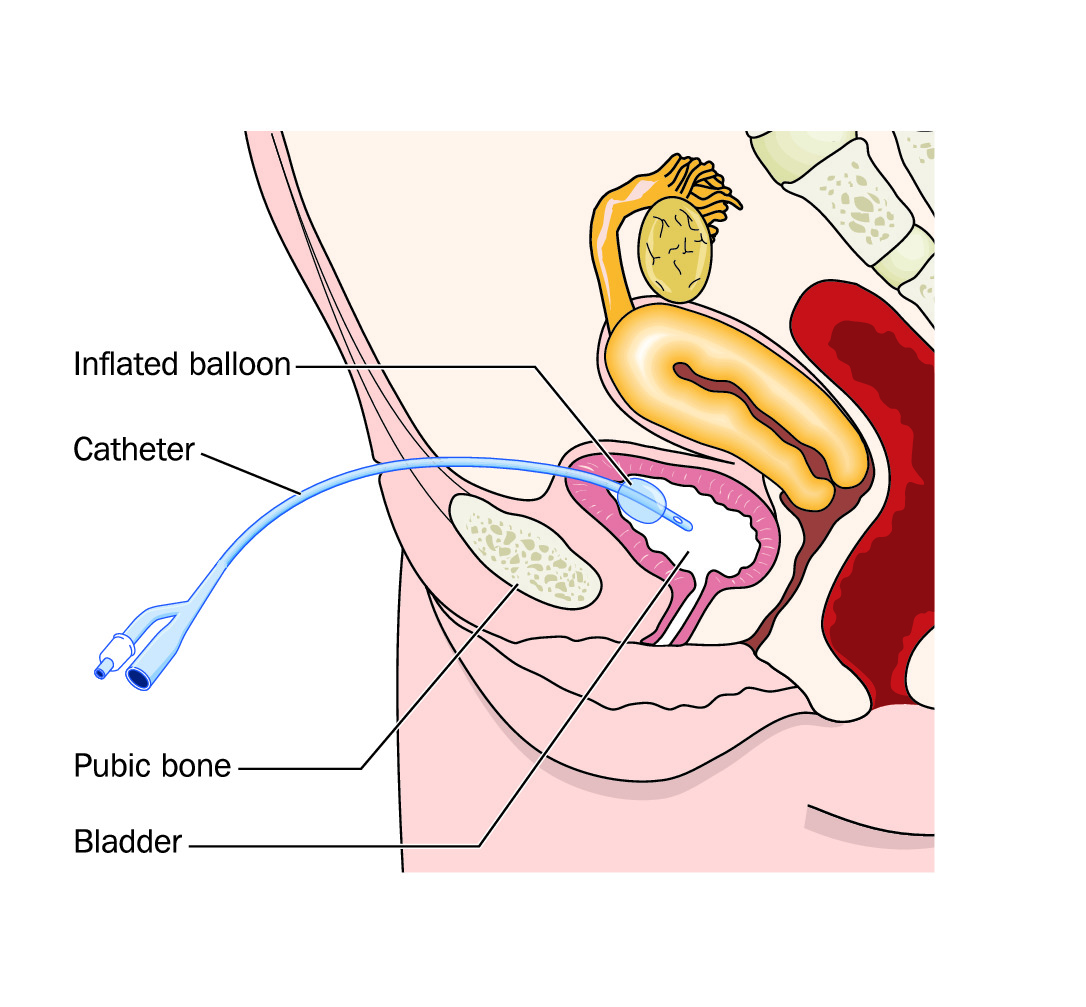
Many women require urinary catheterization at some point, whether due to surgery, chronic illness, or natural aging. Knowing how to insert a female catheter correctly is essential for avoiding infection, discomfort, and injury. This guide walks you through everything you need to know: when it’s needed, how to choose the right catheter, the full insertion procedure, and how to recognize complications.
What Is Catheterization?
Catheterization is a medical procedure in which a thin, flexible tube (a catheter) is inserted through the urethra and into the bladder to drain urine. For female patients, this procedure is relatively straightforward due to the anatomy of the female urinary tract, but it
-
 January 14, 2026
What Is Tegaderm?
If you’ve ever fallen off a bike or motorcycle and scraped your skin on the road, you know what road rash feels like. Tegaderm for road rash is a useful bandage that will help the healing process and prevent infection.
What Is Road Rash?
Road rash is a skin injury caused by friction between bare skin and a rough surface, typically pavement. It can range from mild surface scraping to deep abrasions with embedded debris. Road rash commonly occurs during:
- Motorcycling
- Skateboarding
- Rollerblading
- Cycling
It can present in several forms, from minor scrapes and abrasions to broken skin with road debris lodged beneath the surface. Knowing how to treat it properly is essential for fast
-
 January 05, 2026
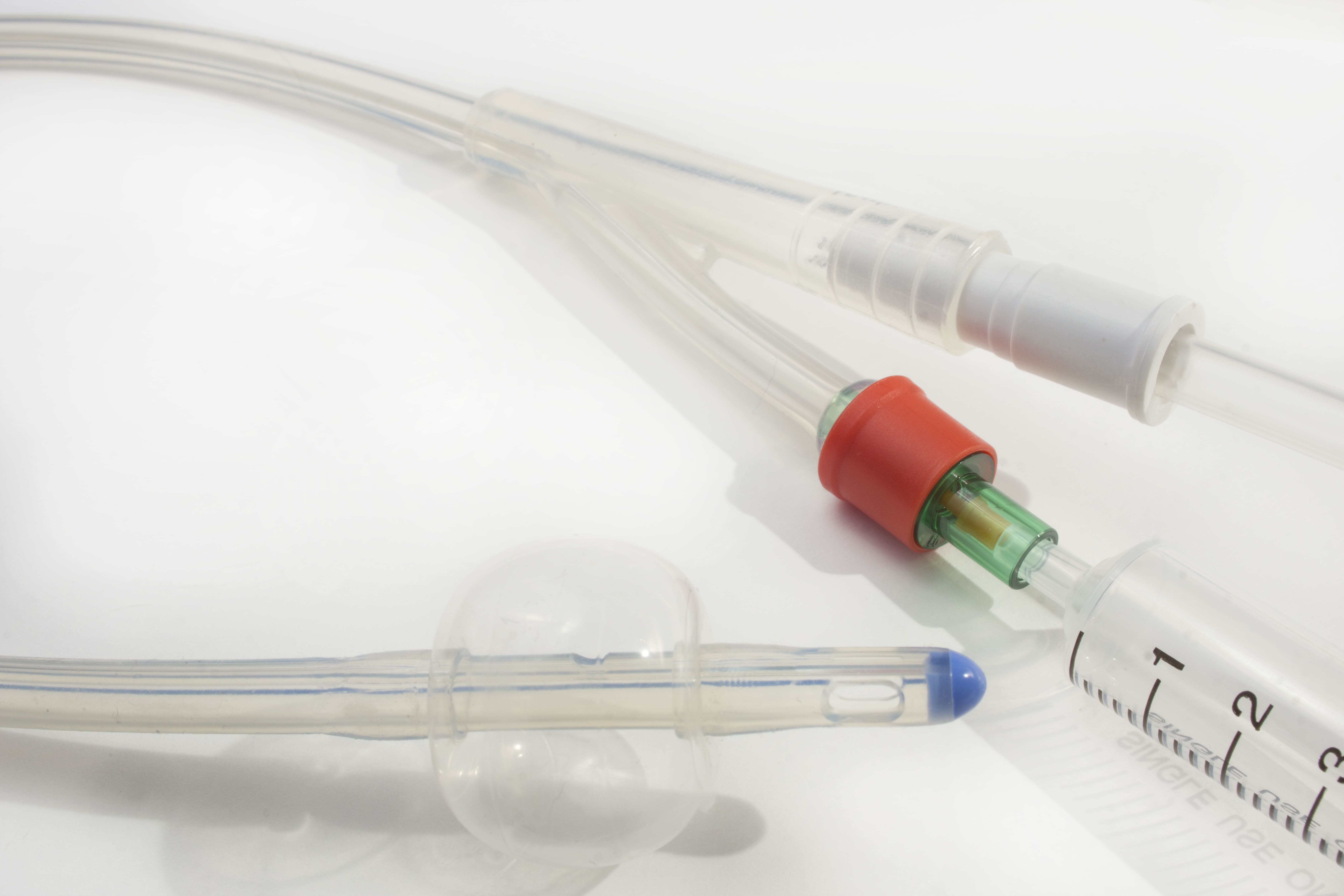
How to irrigate a catheter is a common question for everyone who, for various reasons, is unable to empty their bladder in the usual way. This medical device is often used by men and women in post-operative recovery and by people with disabilities.
The suprapubic Foley catheter is used for urination. It consists of a tube that is inserted into the bladder and a drainage bag that is attached to the other end of the tube. Ideally, the drainage bag should be emptied 3–4 times a day. However, there are situations where the urine becomes too turbid or has an unpleasant smell, or does not flow at all.
In such cases, the first thing to do is to flush the catheter and the drainage tube that is inserted
