

Back to Top
Creams and Ointments
-
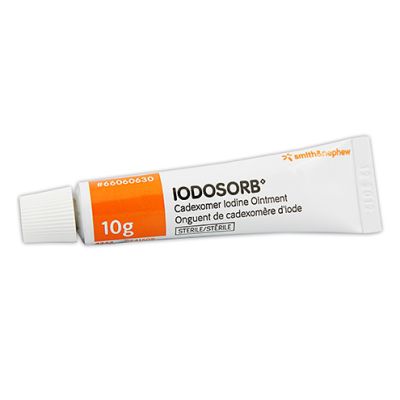 SaleSmith&Nephew 66060630 - IODOSORB Ointment 10g tube (box 4), Box 4Special Price CA$146.56 Regular Price CA$154.27
 -
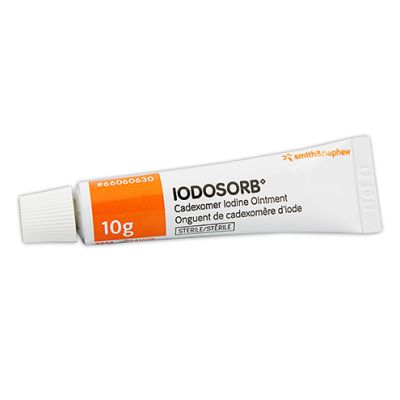 SaleSmith&Nephew 66060631 - Iodosorb Ointment 20g Tubes (Box of 2), BX 2Special Price CA$137.94 Regular Price CA$145.20
 -
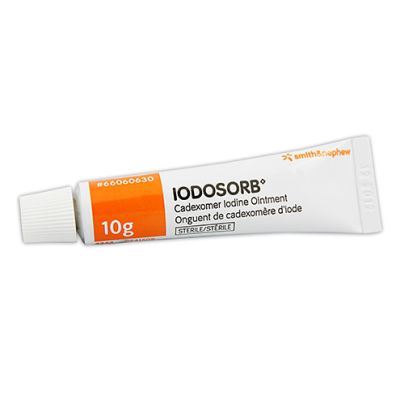 SaleSmith&Nephew 66060632 - Iodosorb Ointment 40g Tube, EACHSpecial Price CA$137.94 Regular Price CA$145.20
Benefits of Creams and Ointments for Wound Healing
Everyone takes a different approach to wound care: some people cover it with a bandage and forget about it, while others see a small scratch as nothing to worry about. CanMedDirect recommends an effective and effortless option for wound treatment — creams and ointments, offering the following benefits:
- Moisturizing the wound — keeping the area moist helps speed up cell regeneration;
- Infection prevention — many ointments contain antibiotics that lower the risk of bacterial infection;
- Pain relief — some ointments include anesthetics to relieve pain;
- Scar reduction — a moist environment can also minimize scarring and improve the cosmetic outcome.
Creams and ointments are versatile medical products, useful for everything from minor cuts and scrapes to more serious skin injuries. Remember that it never hurts to consult your doctor, who can recommend the right wound care and the most suitable ointment or cream for your needs.
Differences Between Creams and Ointments
Both creams and ointments are widely used products for wound treatment. However, different products are better suited for different types of skin damage. Here are some differences between them:
- Composition — creams are usually lighter and less greasy, while ointments are oil-based and have a thicker consistency;
- Texture and absorption — ointments, being thicker and oilier, absorb more slowly and help maintain a moist environment around the wound, while creams, with their lighter texture, absorb quickly, making them a good option for sensitive areas;
- Use cases — ointments work well for dry, cracked, or chronic wounds (such as burns, eczema, or psoriasis), while creams are better suited for acute rashes, larger surface areas, or wounds in moist or delicate areas.
Whether you choose a cream or an ointment depends on the wound type, its location, and the desired effect. It makes sense to be proactive and always keep both options on hand.
How to Properly Apply Ointments
Although applying an ointment is simple, there are a few basic steps to ensure proper use:
- Wash your hands thoroughly, rinse the wound with clean water and mild soap, and gently pat it dry with sterile gauze or a clean cloth.
- Use a clean cotton swab or sterile gauze to apply the ointment and avoid contamination.
- Apply a thin layer of ointment (about 0.5 mm) over the wound (too much can block airflow and slow the healing process).
- If necessary, cover the area with a sterile bandage or any other dressing material.
Following these simple but necessary steps will help you speed up wound healing while reducing the risk of infection or complications.
