

Back to Top
How To Insert a Catheter Female Patient
January 24, 2026
Posted in
incontinence
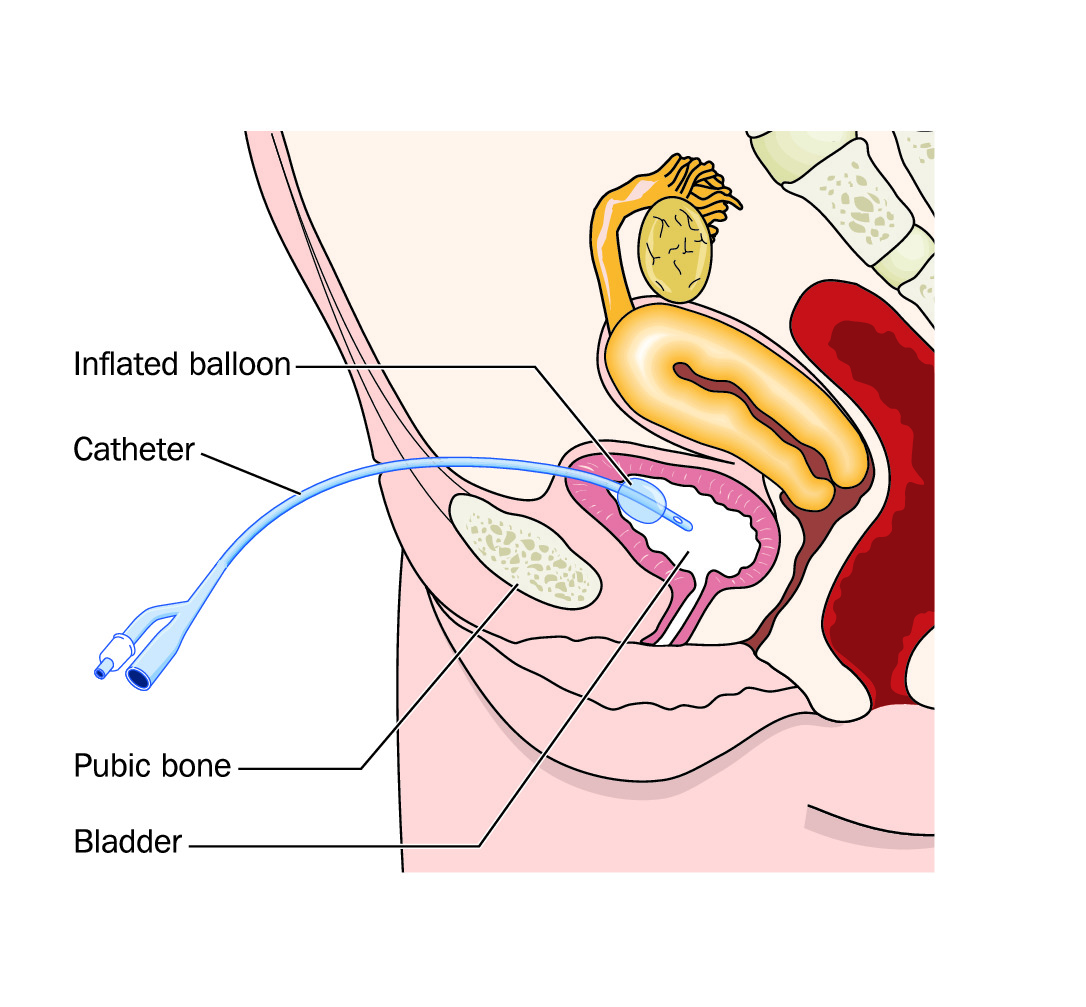
Many women require urinary catheterization at some point, whether due to surgery, chronic illness, or natural aging. Knowing how to insert a female catheter correctly is essential for avoiding infection, discomfort, and injury. This guide walks you through everything you need to know: when it’s needed, how to choose the right catheter, the full insertion procedure, and how to recognize complications.
What Is Catheterization?
Catheterization is a medical procedure in which a thin, flexible tube (a catheter) is inserted through the urethra and into the bladder to drain urine. For female patients, this procedure is relatively straightforward due to the anatomy of the female urinary tract, but it still requires careful technique to be performed safely.
A doctor or nurse usually performs the procedure, but some patients learn to insert a female catheter themselves at home. It is required in the following situations:
- Acute or chronic urinary retention or emptying disorders
- Before or after pelvic surgery
- To collect urine samples for diagnostic testing of bladder function
- To administer medications directly through the urinary tract
If you are unsure whether catheterization is appropriate for your situation, always consult your attending physician before proceeding.
Possible Complications
When a female catheter is inserted incorrectly, or proper hygiene is not maintained, a range of complications can occur. Common complications include:
- Redness, itching, or burning in the genital area
- Discomfort or pain during movement
- Painful symptoms in the lower abdomen
- Urinary tract infection (UTI) from bacteria entering the urethra
- Bladder injury from improper insertion technique
Following your doctor’s instructions carefully and maintaining strict sterile technique throughout the procedure are the most effective ways to prevent these complications. If you experience any of the above symptoms after catheter insertion, contact your healthcare provider promptly.
Step-by-Step Instructions for Inserting a Female Catheter
Catheterization is recommended in a clinical setting under medical supervision. However, when patients need to manage it at home, following the correct procedure is critical. Below is the full process, broken into preparation, catheter selection, and the insertion procedure itself.
Step 1: Preparation and Required Knowledge
Before inserting a female catheter, the person performing the procedure (a nurse or the patient herself) should have the knowledge of:
- The anatomy and physiology of the female urinary tract
- National and regional policies and guidelines regarding catheterization
- Indications for the procedure and awareness of possible complications
- Rules for patient care, privacy, and maintaining complete confidentiality
- Infection prevention and control practices
Catheterization should ideally be performed by a nurse with the appropriate knowledge and skills. If self-catheterization is being considered, thorough training from a medical professional is essential before attempting the procedure independently.
Step 2: Choosing the Right Catheter
Selecting the correct product is essential for both comfort and effectiveness. Foley catheters, which use a self-retaining balloon to stay in place, are the standard choice for continuous use. When choosing a catheter for a female patient, consider the following factors:
- Intended duration of use
- The material and any known patient allergies
- The required length, diameter, and balloon volume
Below is a quick guide to materials you can choose based on intended use duration:
- Use under 28 days: choose polytetrafluoroethylene (PTFE) or silver alloy catheters
- Latex catheters: suitable when the patient has no latex allergy
- Long-term use (28+ days): silicone or hydrogel-coated catheters are preferred
For length, the choice should reflect the patient’s lifestyle and build. Active women benefit from shorter female-length catheters, which are less visible under clothing and do not restrict movement. Standard-length options are more appropriate for sedentary patients or those with higher body weight.
Balloon volume is typically 10 ml, filled with sterile water. Some products include a pre-filled syringe with glycerin or water for convenience. Always choose reliable, trustworthy suppliers. CanMedDirect offers a variety of options, all safe for use and of high quality.
Step 3: The Female Catheter Insertion Procedure
Before moving forward with the procedure, discuss all risks and benefits with the patient and obtain documented consent. Ask about any known allergies to anesthetics or lubricating gels. Ensure the room is private and free from interruptions.
Gather the following sterile items and equipment on a clean cart before starting:
- Sterile gloves, clean towels, and sterile wipes
- Cleaning fluid (0.9% sodium chloride solution) and antiseptic gel
- The chosen catheter and drainage system
- A disposable syringe and sterile water
- A sterile disposable apron
- A urine receptacle and hygienic tampons
Once all equipment is prepared and positioned beside the patient, proceed with the following steps to insert the female catheter:
- Position the patient. Lay the woman on her back with her legs bent and spread apart at the knees. Place a protective covering under her to keep the bed linen dry.
- Prepare the catheter and apply antiseptic. Thoroughly treat your hands with antiseptic and allow them to dry. Put on a sterile disposable apron. Open the bag using aseptic non-contact technique. Leave the catheter inside the bag and cover it with sterile tissue to protect it from contamination.
- Put on sterile gloves and position the towel. Wear sterile gloves and place a clean towel under the patient’s buttocks.
- Clean the urethral area. Using sterile swabs, gently move the labia to the sides to expose the urethral opening. Clean the genital surfaces with 0.9% sodium chloride solution using single strokes from top to bottom, always moving toward the anus. This direction reduces the risk of spreading infection.
- Apply lubricating or anaesthetic gel. Remove the cap from the gel tube and insert the nozzle into the urethra. Squeeze the gel in, remove the nozzle, and discard it. If using an anaesthetic gel, wait a few minutes for it to take effect before continuing. If using a water-based lubricant, you may proceed immediately. Wipe away any excess gel with a sterile tissue.
- Change gloves. Remove your gloves, wash and dry your hands, then put on a fresh pair of sterile disposable gloves.
- Insert the catheter. Place the urine receptacle and the packaged catheter between the patient’s legs on the towel. Spread the labia with one hand and gently insert the tip of the catheter into the urethral opening with the other, directing it slightly upward and backward. Insert the catheter 5–6 cm. If the patient experiences significant pain or resistance at any point, stop immediately and seek medical assistance and do not force it.
- Confirm placement and inflate the balloon. Once urine begins flowing into the receptacle, advance the catheter to the bifurcation point to confirm the balloon is inside the bladder. Inflate the balloon with 10 ml of sterile water or the provided solution. If the catheter comes with a pre-filled balloon, remove the clip and gently press the fluid reservoir. Note that balloon inflation may cause brief discomfort.
- Confirm the catheter is secure. Gently pull back on it to verify it is properly retained in the bladder by the inflated balloon.
- Attach the drainage system. Connect the drainage bag to the catheter. Check all joints to ensure there are no leaks and no wet spots on the bed linen.
- Complete the procedure.
Help the patient get dressed and ensure she is comfortable. Dispose of all used instruments according to local clinical waste regulations. Provide clear instructions on how to care for the catheter and drainage system going forward.
Completing each step carefully and in order is the best way to ensure a safe female catheter insertion. Rushing or skipping steps, especially the cleaning and sterile technique stages, can significantly increase the risk of infection and injury.
Documenting the Procedure
When it’s performed in a clinical setting, the nurse must record the details of the procedure in the patient’s personal chart. Thorough documentation supports continuity of care and helps track any issues that arise after insertion. The following information should be recorded:
- The clinical reason for inserting the catheter
- Date and time of the procedure
- Catheter length and type
- Balloon size and volume
- Manufacturer information for the product used
- The lubricant and solution used during insertion
- Any complications or difficulties encountered during the procedure
- Planned date of removal
On the first catheter insertion, the nurse should also measure and record the initial urine volume. This baseline measurement helps assess kidney and urinary tract function and supports ongoing monitoring of the patient’s condition.
Conclusion
Whether you are a nurse performing female catheter insertion in a clinical setting or a patient managing self-catheterization at home, following each step correctly is what keeps the procedure safe and effective.
If you have any doubts about your ability to insert a catheter safely, make an appointment with your doctor. They can recommend a qualified nurse, walk you through the procedure in person, and answer any questions specific to your situation. Your health and comfort always come first.
Female Catheter Insertion FAQ
Clear answers to the most common questions about inserting a urinary catheter in female patients.
For a female patient, the catheter is typically inserted 5–6 cm into the urethra. Because the female urethra is considerably shorter than the male urethra, less insertion depth is needed to reach the bladder.
The correct confirmation that the catheter is properly placed is the flow of urine into the collection receptacle. Once urine begins draining, advance the catheter slightly further — to the bifurcation point — before inflating the balloon. This ensures the balloon is fully inside the bladder and not in the urethra, which would cause pain and potential injury.
The most common choice for continuous bladder drainage is a Foley catheter, which uses a small inflatable balloon to hold itself in place inside the bladder. The right catheter for a specific patient depends on several factors: how long it will be used, the patient's known allergies, and her build and lifestyle.
For short-term use under 28 days, PTFE or silver alloy catheters are recommended. For long-term use beyond 28 days, silicone or hydrogel-coated catheters are preferred as they are gentler on the tissue over time. Latex catheters are an option only when the patient has no latex allergy. Active women generally benefit from shorter female-length catheters, which are less visible and allow freer movement than standard-length alternatives.
Locating the urethral opening is one of the most challenging parts of female catheterization, particularly for those new to the procedure. The patient should be positioned on her back with her knees bent and legs spread apart. Using one gloved hand, gently separate the labia minora to expose the vestibule — the urethral opening (meatus) is located between the clitoris above and the vaginal opening below.
Good lighting is essential. In some patients, especially older women, the meatus may be less visible due to anatomical changes. If the catheter is accidentally inserted into the vagina, do not remove it immediately — leave it in place as a landmark, use a fresh sterile catheter for the correct insertion, and then remove the first one. Never attempt to force the catheter if resistance is felt.
Urinary tract infection (UTI) is the most common complication of catheterization and can develop when bacteria enter the urethra during or after the procedure. Warning signs to watch for include redness, itching, or burning in the genital area, pain or discomfort in the lower abdomen, cloudy or foul-smelling urine, fever, and a general feeling of illness.
The best way to prevent catheter-associated infection is to maintain strict sterile technique throughout the procedure — particularly during the cleaning and insertion stages — and to keep the drainage system closed and unobstructed during use. If any signs of infection appear after catheter insertion, contact a healthcare provider promptly. Early treatment significantly reduces the risk of the infection spreading to the kidneys.
Yes — self-catheterization at home is possible and is practiced by many women who need to manage urinary retention or bladder conditions on an ongoing basis. However, it should only be attempted after thorough in-person training from a qualified healthcare professional. Attempting the procedure without proper instruction significantly increases the risk of infection, injury, and incorrect placement.
A nurse or specialist will teach the patient how to identify the urethral opening, maintain clean technique, insert and remove the catheter safely, and recognize signs that something is wrong. Regular follow-up appointments are recommended to monitor for complications. If there is any doubt or difficulty at any stage, a doctor or nurse should be consulted before continuing.
In a clinical setting, the nurse performing the procedure must record full details in the patient's chart immediately after insertion. This documentation supports continuity of care, helps other staff manage the catheter correctly, and creates a clear record if complications arise later.
The record should include the clinical reason for catheterization, the date and time of the procedure, the catheter type and length, balloon size and fill volume, the manufacturer of the product used, the lubricant and cleaning solution used, any difficulties or complications encountered, and the planned removal date. On a patient's first catheter insertion, the initial urine volume drained should also be measured and recorded, as this provides an important baseline for assessing bladder and kidney function going forward.
