

Back to Top
Page 15 - Knowledge center
-
 May 11, 2016
These days, doctors are bale to diagnose various forms of incontinence in patients, which enables them to provide better care to them than ever before. Below are some ways in which you are able to tell the difference between stress incontinence and urge-related incontinence, as well as a few handy tips pertaining to incontinence products that can be used to deal with each of them.
#1 – Stress Incontinence
Stress incontinence is diagnosed when urine leaks from the bladder as a result of weakened pelvic floor tissues and muscles, and it usually occurs when laughing, sneezing, exercising or coughing. Although pelvic floor muscles are often weakened during pregnancy and childbirth, other factors
-
 May 10, 2016
A hernia occurs when part of an internal organ is displaced in the body and it starts protruding through the cavity wall that contains it and in most cases, the intestines are the most common place for a hernia to occur. If you are experiencing any of the symptoms mentioned below, it may be an indication of a hernia being present. Wearing a hernia belt can help alleviate discomfort, but a doctor should be consulted if the pain persists or worsens.
#1 – Continual Discomfort in the Affected Area
Although most hernias occur in the abdominal area, they can in fact be present virtually anywhere in the body. One of the most common symptoms to look out for is when you experience severe and continual
-
 April 20, 2016
Although you will need to use medical accessories like drainable pouches after having an ostomy, this doesn’t mean that you will have to give up all of your favorite foods. In fact, you may be able to resume a regular diet as soon as 6 weeks afterwards, provided that you follow the advice given to you by your physician or dietician in this regard.
The Basics
- Avoid gaining excess weight: Extra weight will negatively affect your ostomy and it can cause other serious health conditions.
- Chew food thoroughly: This will help prevent blockages at your stoma site. If you have an ileostomy, be extra vigilant when dealing with hard and high-fiber foods.
- Eat often: Consume 3 or more meals per day,
-
 March 22, 2016
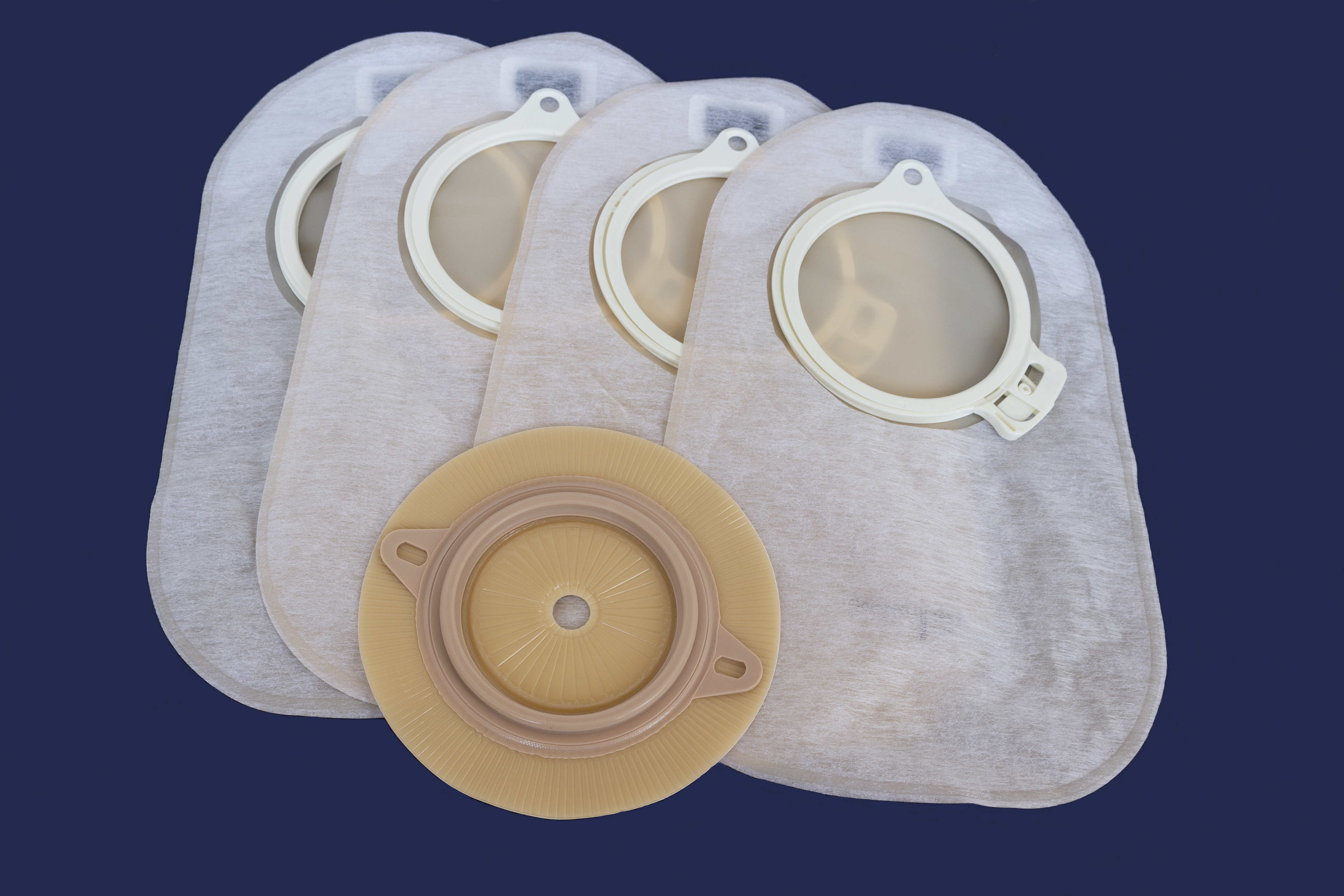
Choosing the right ostomy pouch for your body and situation is key in securing a comfortable and stress-free life. Read below to learn more about the basics, their differences and where you can find top-quality ostomy products.
What is an Ostomy Pouch?
An ostomy pouch is a medical device that helps to collect waste from the body after specific surgeries. These surgeries can include (but are not limited to) colostomies, ileostomies, and urostomies. During these surgeries, different stomas, or openings, are made for the drainage of waste. When a surgery is particularly extensive or obstructive, a stoma pouch becomes a necessity. Most ostomy pouches contain a plastic bag and a mounting plate, referred
-
 March 21, 2016
When there is an injury present, blood usually follows. Bleeding is the body’s way of trying to clean out the wound itself. The blood pushes out anything that may get inside and cause irritation or infection. It’s important to take the right steps after becoming injured to make sure the healing process can take place.
Cleaning the Wound
The first order of business when dealing with cuts and wounds is to clean them off. Water can aid in the cleaning of the effected area. Use cold water if possible as it constricts the blood vessels, slowing the flow of blood to the injured area. Soap and other antibacterial products can also be of use. If you decide to use these, wash around the cut or wound
-
 March 19, 2016
Although undergoing extensive surgery resulting in the use of ostomy products is life changing, you will still be able to life a full and happy life. With the amount of research and technology available, the activities you loved before surgery will be a part of your life after surgery.
Recovering from Surgery
As you can imagine, recovery is key in helping to resume your normal, everyday functions. Depending on the surgery and what your doctor says, a few weeks to a few months is necessary for proper healing to take place. Don’t rush it - the healing process takes time and requires patience. Once you’re ready to resume normal activities, it is important to consult your doctor about the different
-
 March 18, 2016
Everyone has unfortunate accidents now and then which can result in blood loss. However small or large the injury, it’s important to know how to stop bleeding for your own good or in the event you need to help someone else.
Applying Direct Pressure
The first step in dealing with an open wound is to apply pressure. Ideally the person bleeding should be the one to apply pressure, if this is not possible then a second person must help. Use any type of cloth or even clothing and apply the pressure for at least 10 to 15 minutes. The next step is to wash the wound with cold water to avoid infection and to help the blood vessels to constrict and stop the blood flow further. Always remember to use clean
