

Back to Top
Parastomal Hernias: Understanding a Common Ostomy Complication
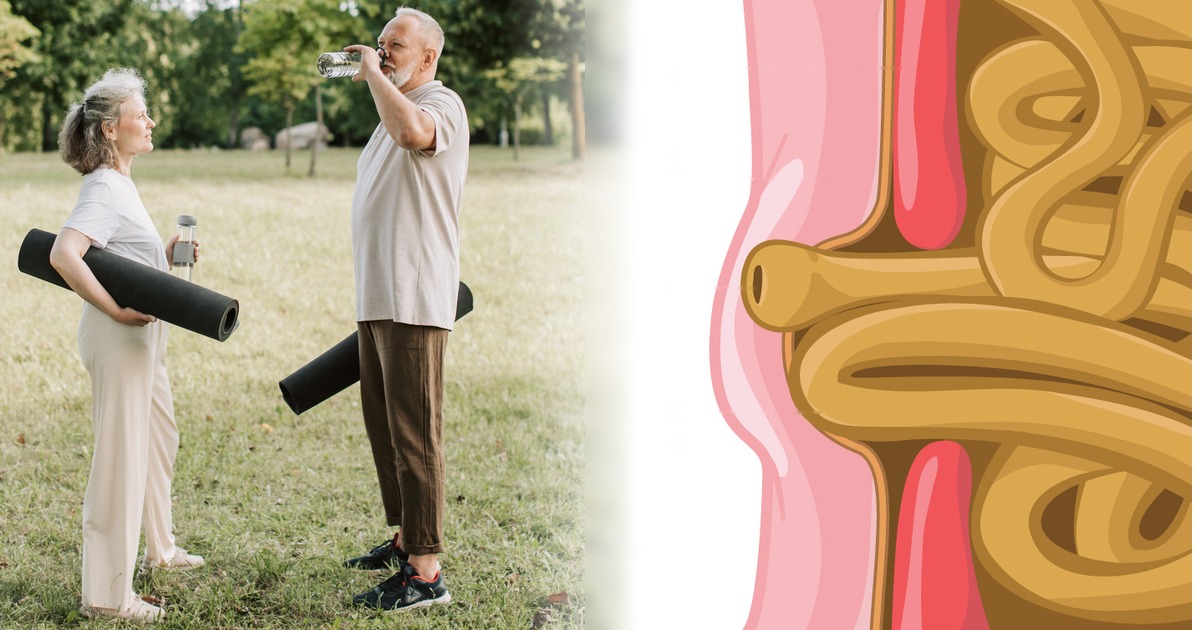
If you've recently had or are living with ostomy surgery, you may have heard the term "parastomal hernia" mentioned by your care team. It's one of the more common complications associated with having a stoma, but understanding what it is, why it happens, and what your options are can make it much less intimidating. This guide draws on the United Ostomy Associations of America's (UOAA) New Ostomy Patient Guide to walk through the basics of parastomal hernias — what they are, how they're managed, and when it's time to talk to your doctor.
This article is for general information only and isn't a substitute for advice from your doctor, surgeon, or ostomy care nurse. If you notice a bulge near your stoma or any of the symptoms below, please consult a healthcare professional about your specific situation.
What Is a Hernia?
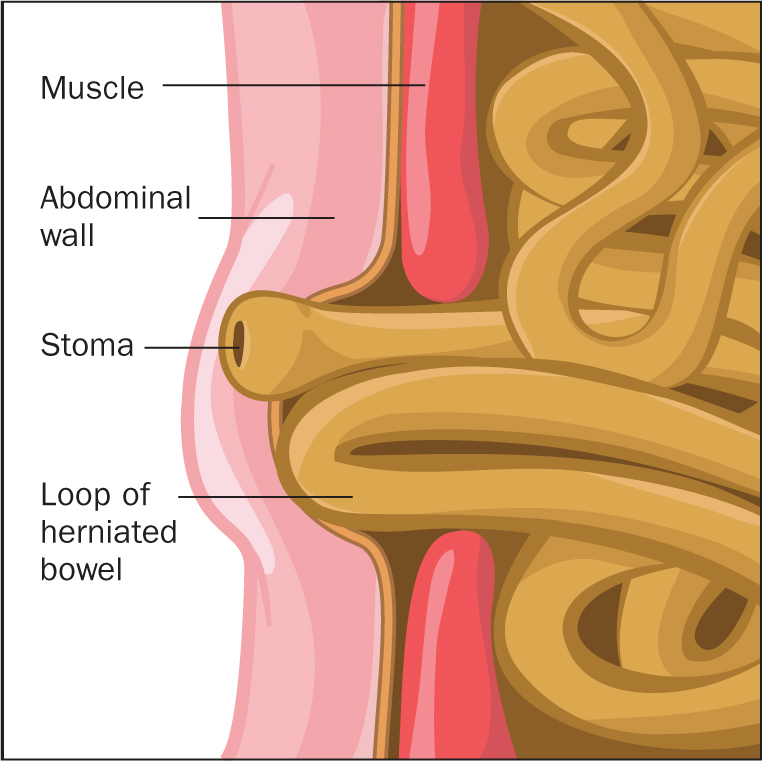
A hernia is the abnormal protrusion of an organ or other body structure through a defect or natural opening in a covering membrane or muscle. The abdominal wall is made up of several layers — skin, fat, muscle, and fascia (a strong layer of connective tissue) — and when one of these layers develops a weak spot, it can create an opening for a hernia to form.
Hernias can occur in several locations, including at surgical incisions, in the groin, and around a stoma. A hernia that forms around a stoma is called a parastomal hernia.
What Is a Parastomal Hernia?
A parastomal hernia happens when the opening in the abdominal wall that contains the stoma enlarges, allowing loops of bowel to potentially bulge through alongside it. According to the UOAA guide, the reported incidence of hernias at the stoma site ranges widely — from 0% to as high as 48.1% of patients — depending on factors like stoma type, surgical technique, and how long someone has had their stoma.
Surgeons use several strategies to help lower the risk of parastomal hernias forming in the first place, including:
- Siting the stoma within the rectus muscle, a stronger part of the abdominal wall.
- Making the correct size of the abdominal opening for the stoma — not too large, not too tight.
- Using prophylactic mesh at the time of surgery to reinforce the area.
Prophylactic mesh has been shown to reduce the incidence of parastomal hernias, though it does carry its own risks, such as stomal narrowing (stenosis), erosion, or infection. Some surgeons use biologic mesh, made from materials like modified pig skin or connective tissue from bovine heart, which has been associated with fewer complications.
What Are the Symptoms?
Hernias are relatively common, and some are small enough to cause no symptoms at all. Others become more noticeable over time. Things to watch for include:
- A visible bulge around the stoma, which may be more apparent when standing, coughing, or straining.
- A dull ache or discomfort from the stretching of tissue as the hernia enlarges.
- Difficulty with your pouching system fitting properly due to the change in abdominal shape.
If a piece of bowel becomes trapped in the hernia, it can lead to a bowel obstruction, causing crampy abdominal pain, nausea, and vomiting. If the bowel can be gently pushed back in, it's called reducible; if it remains trapped, it's called non-reducible or incarcerated. If the trapped bowel twists or becomes swollen enough that its blood supply is compromised, this is a medical emergency — it can lead to infection, obstruction, or, if untreated, more serious harm.
How Are Parastomal Hernias Diagnosed and Managed?
Most hernias are apparent on physical examination, often more visible when the patient is standing. For people with significant scar tissue or higher body weight, a CT scan may be used to confirm a hernia and check whether it contains bowel or other organs.
Not every hernia needs surgery right away. Some can be managed conservatively with a hernia support belt, while others may need surgical repair. The decision to repair a hernia takes into account several factors:
- The size and location of the hernia
- The symptoms it's causing and its impact on quality of life
- The potential benefits and risks of surgery, including infection, bowel injury, and bleeding
- The cost and discomfort associated with an operation
- The chance that the hernia could recur even after repair
If a hernia is small and not causing symptoms, many surgeons will recommend watching and waiting to see how it progresses, rather than operating right away.
Surgical Repair Options
When surgery is needed, there are a few general approaches, and the method chosen depends on the hernia's size, location, and the surgeon's experience and judgment:
- Primary repair, where the hernia is opened and the muscle and fascia are sutured back together. This is the simplest approach and is typically used for smaller, first-time hernias.
- Repair with mesh reinforcement, which can reduce the chance of the hernia recurring, though it also carries a higher risk of infection than repair without mesh.
- Stoma relocation, where the stoma is moved to a new site as part of the repair.
In some cases — for example, when someone has significant stomal complications — the best option may be closing the stoma entirely and restoring intestinal continuity, though this isn't always medically possible.
When to Talk to a Doctor
It's worth reaching out to your doctor, surgeon, or ostomy care nurse if you notice:
- A new or growing bulge around your stoma
- Difficulty getting your pouching system to fit or seal properly
- Crampy abdominal pain, nausea, or vomiting
- Sudden, severe pain or a bulge that becomes firm and can't be pushed back in — this warrants urgent medical attention
A parastomal hernia is a common part of life with a stoma for many people, and your care team can help you understand your options, from a supportive hernia belt to surgical repair, based on your specific situation.
Looking for a supportive hernia belt? View our full selection at CanMedDirect.ca.
Reminder: this article provides general information and is not a substitute for professional medical advice. Please consult your doctor, surgeon, or ostomy care nurse about any symptoms or concerns specific to you.
Parastomal Hernia FAQ
Common questions about parastomal hernias, based on the UOAA New Ostomy Patient Guide. For general information only — consult your doctor for advice specific to you.
It's an enlargement of the opening in the abdominal wall that contains your stoma, which can allow loops of bowel to bulge through alongside it.
They're relatively common. Reported rates vary widely, from 0% to as high as 48.1% of patients, depending on factors like stoma type and surgical technique.
No. Small hernias that aren't causing symptoms are often simply monitored, or managed with a support belt. Surgery is generally considered when a hernia is large, symptomatic, or causing complications.
Prophylactic mesh placed during the original stoma surgery has been shown to reduce the incidence of parastomal hernias, though it carries its own risks, such as stomal narrowing, erosion, or infection.
It means the bowel trapped in the hernia can't be gently pushed back in. If the trapped bowel also twists or loses its blood supply, this becomes a medical emergency requiring urgent attention.
It can. The change in abdominal shape caused by a hernia may make it harder for your pouching system to fit and seal properly, which is one of the signs worth mentioning to your ostomy care nurse.
Seek urgent care if you experience sudden, severe pain, or if the bulge becomes firm and can no longer be pushed back in, along with crampy abdominal pain, nausea, or vomiting.
