

Back to Top
Managing Constipation with a Colostomy: Causes and Practical Relief Tips
October 27, 2026
Posted in
ostomy
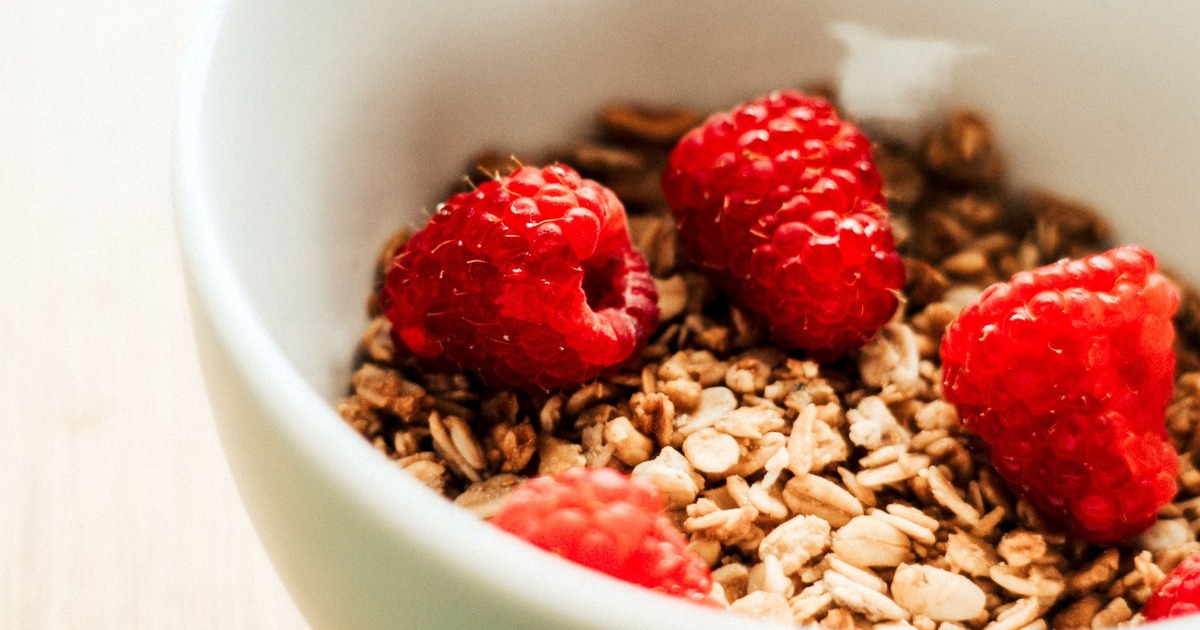
Constipation is one of the most common complaints people run into after colostomy surgery. Because more of the colon stays intact with a colostomy than with other types of ostomy, more fluid and electrolytes are reabsorbed from the stool — which can make output firmer and harder to pass if your diet, fluids, or activity level aren't quite dialed in. Based on NSWOCC's A Guide to Living with a Colostomy, here's why constipation happens and what tends to help.
This article is for general information only and isn't a substitute for advice from your surgeon, ostomy nurse, or other member of your health care team. Your own care plan should always come from them.
Why Constipation Happens with a Colostomy
As your diet progresses from liquid to soft to regular food after surgery, your stool naturally firms up — this transition can take several weeks. Beyond that normal adjustment, the most common causes of constipation include:
- Decreased physical activity
- A low-fibre diet
- Inadequate fluid intake
- Certain medications, such as pain medications
Habits That Can Help Prevent or Relieve Constipation
A few everyday adjustments can make a real difference:
- Increase your daily fluid intake to at least six to eight large (250 ml / 8 oz) glasses of water, juice, warm beverages, or soups.
- Increase your fibre intake with more fresh, raw, or cooked fruits and vegetables, whole grain breads and cereals, bran products, and oatmeal.
- Try stewed prunes or prune juice, one to two small (4–6 oz) glasses daily.
- Add raisins, nuts, and seeds to meals or snacks.
- Increase your level of activity as your recovery allows.
- Eat regular meals and snacks, chew your food well, and avoid skipping meals.
If diet and exercise changes aren't relieving your constipation, speak with a registered dietitian, pharmacist, your doctor, or ostomy nurse about whether a mild laxative or stool softener may be appropriate for you — this isn't something to decide on your own, since the right approach depends on your individual situation.
A Note on Colostomy Irrigation
Some people with a colostomy in the descending or sigmoid part of the colon choose to manage their output through irrigation — a technique similar to an enema, where water is put into the bowel through the stoma to help regulate stool passage. It's optional, isn't appropriate for everyone, and should only be started after talking with your surgeon or ostomy nurse, who can confirm whether it's a good fit for you and teach you the correct technique.
When to Contact Your Health Care Team
Reach out to your ostomy nurse, surgeon, or doctor if constipation doesn't resolve with the steps above, or if you notice:
- No stoma output for several hours along with cramping, nausea, or vomiting
- Noticeable swelling near or around your stoma
- A marked change in the size or appearance of your stoma
- Unresolved constipation or diarrhea
If you don't have an ostomy nurse you can reach easily, CanMedDirect's Clinical Support page, developed in partnership with NurseCraft, can help connect you with one.
Reminder: this article provides general information and is not a substitute for professional medical advice. Please consult your surgeon, ostomy nurse, or health care worker to determine what's appropriate for your specific situation.
Colostomy Constipation FAQ
Common questions about preventing and managing constipation with a colostomy, based on NSWOCC's Guide to Living with a Colostomy.
Because more of the colon remains intact with a colostomy than with other ostomy types, more fluid and electrolytes are reabsorbed from the stool, which forms it more. Decreased activity, a low-fibre diet, inadequate fluids, and certain medications can all make constipation more likely.
Aim for at least six to eight large (250 ml / 8 oz) glasses of water, juice, warm beverages, or soups daily, alongside increased fibre intake.
Fresh, raw, or cooked fruits and vegetables, whole grain breads and cereals, bran products, oatmeal, stewed prunes or prune juice, and raisins, nuts, and seeds can all help. Increasing your activity level helps too.
Speak with a registered dietitian, pharmacist, your doctor, or ostomy nurse first — they can advise whether a mild laxative or stool softener is appropriate for your situation.
It's a technique, similar to an enema, where water is put into the bowel through the stoma to help regulate stool passage. It's only an option for some people with a descending or sigmoid colostomy, and should only be started with guidance from your surgeon or ostomy nurse.
Reach out if you have no stoma output for several hours along with cramping, nausea, or vomiting, if you notice swelling or a marked change in your stoma's appearance, or if constipation doesn't resolve with diet and lifestyle changes.
