

Back to Top
Is an Ostomy Ring Right for You?
October 06, 2026
Posted in
ostomy

Kim Hoggard, RN, NSWOC, WOCC(C)
Nurse Specialized in Wound, Ostomy & Continence Care, Founder of NurseCraft
Nurse Specialized in Wound, Ostomy & Continence Care, Founder of NurseCraft
If you've ever dealt with leaks, sore skin, or a pouching system that just won't seem to stay put, an ostomy ring may be worth a conversation with your care team. These small, moldable accessories aren't necessary for everyone, but for many people living with an ostomy, they can make a meaningful difference in comfort, confidence, and wear time. Here's what an ostomy ring is, the signs it might help you, and how to use one.
What Is an Ostomy Ring?
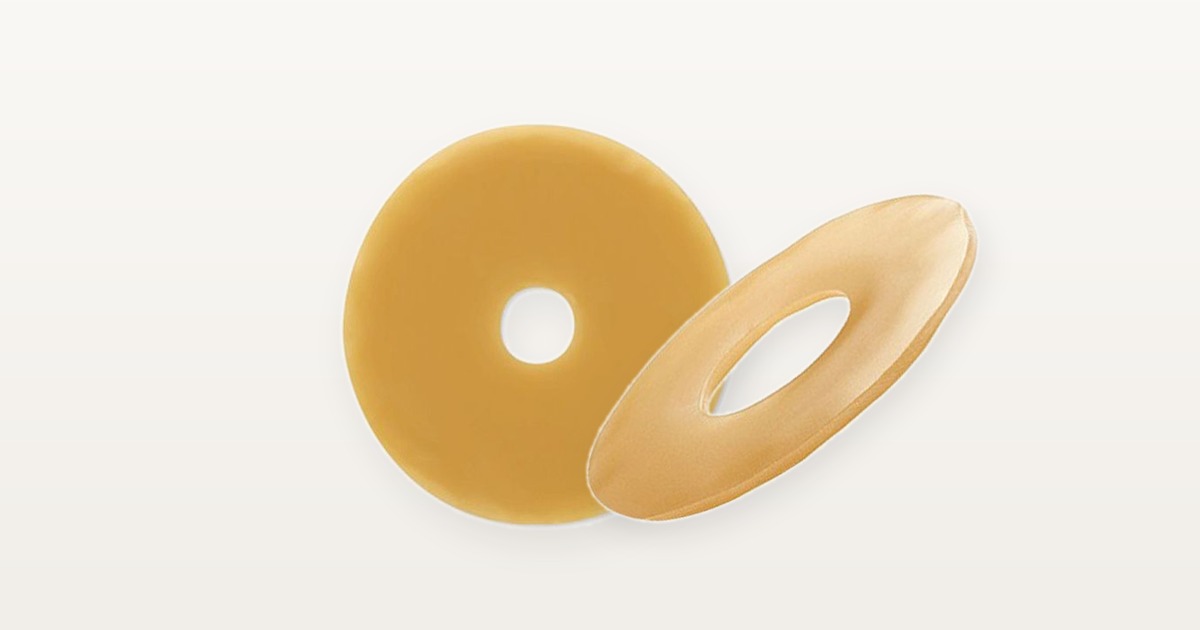
An ostomy ring is a soft, moldable ring that creates a secure seal around your stoma. It helps fill gaps and uneven areas to prevent leaks and protect skin. Different brands market them under different names, such as seals, barrier rings, and protective rings.
While this accessory isn't necessary for everyone, many people with ostomies use rings to reduce leaks, protect their peristomal skin, and improve their overall confidence in wearing a pouching system. You can browse the full range of ostomy rings available at CanMedDirect.ca.
You May Benefit from an Ostomy Ring If...
You're Experiencing Leaks
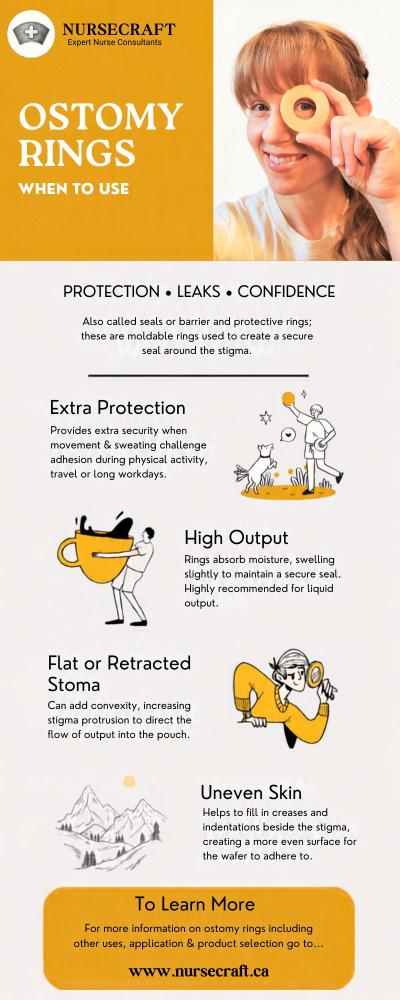
Output leaking under the skin barrier, frequent changes (short wear time), and unexpected pouch failures are incredibly frustrating. A ring creates a better seal around the stoma, helping prevent stool from leaking under the skin barrier.
Your Skin Surface Is Uneven
An ostomy ring can help fill skin folds, wrinkles, creases, scars, and indentations in the peristomal skin. This creates a smoother surface for your skin barrier to adhere to.
Your Stoma Is Flush or Retracted
An "ideal" stoma should protrude away from the body just enough to act as a spout, directing output into the pouch. Stomas that sit at skin level (flush) or below the skin (retracted) have a higher chance of leaks, since stool can seep under the skin barrier. Available in flat or convex shapes, rings can further enhance this stomal protrusion, better channeling output into the pouch.
Your Skin Is Red, Sore, or Irritated
Repeated exposure to stool or urine can damage the skin around your stoma. This can range from a mild itch to weeping, denuded skin, similar to a bad diaper rash or sunburn. Some rings are infused with ceramides or manuka honey to soothe the skin and support healing.
You Have a Liquid or High-Output Ostomy
Rings are particularly helpful for output with a liquid consistency and/or high volume, such as with urostomies and ileostomies. They swell slightly when exposed to output, helping maintain a secure seal and absorbing extra moisture.
You're Active or Travelling
Movement and sweat can cause the skin barrier to lift. The increased adhesion and absorbency of a ring can offset this, reducing anxiety about leaks and increasing wear time. Peace of mind while travelling, chasing after kids, or working is why many people opt to use a ring.
How to Apply an Ostomy Ring
- Clean & dry. Ensure the skin around the stoma is clean and completely dry.
- Shape the ring. Stretch or mold the ring to fit snugly around your stoma.
- Place the ring. Apply it directly to the skin or to the back of your wafer.
- Apply your appliance. Position the skin barrier over the ring.
- Press & seal. Hold and apply gentle pressure for several seconds to improve adhesion.
When to Talk to an Ostomy Nurse
If you're experiencing any of the following, it's worth reaching out to a specialist:
- Frequent leaks
- Skin irritation
- Difficulty achieving a good seal
- Short wear time
A NSWOC (Nurse Specialized in Wound, Ostomy and Continence) can help determine whether an ostomy ring, or another adjustment to your routine, is right for you.

Still Struggling with Leaks or Skin Issues?
Ostomy rings help many people, but they're not a fix for every situation. If you've tried adjusting your routine and you're still dealing with leaks, irritated skin, or a pouching system that won't cooperate, it may be time for a one-on-one assessment.
NurseCraft, founded by Kim Hoggard, RN, NSWOC, WOCC(C), offers personalized virtual and in-person consultations with Nurses Specialized in Wound, Ostomy & Continence. Their team can help troubleshoot your pouching system, address skin breakdown, and find practical solutions tailored to your body and lifestyle.
Book a NurseCraft Consultation
Not ready to book? Learn more about NurseCraft →
NurseCraft consultations are a paid clinical service billed directly by NurseCraft and are not covered or provided free of charge by CanMedDirect. Please contact NurseCraft directly for current pricing and payment details.
Ostomy Ring FAQ
Common questions about ostomy rings, answered by Kim Hoggard, RN, NSWOC, WOCC(C).
It's a soft, moldable ring that creates a secure seal around your stoma, filling gaps and uneven areas to help prevent leaks and protect your skin. Different brands sell them under names like seals, barrier rings, or protective rings.
No. Rings aren't necessary for everyone, but many people use them to reduce leaks, protect peristomal skin, and feel more confident in their pouching system.
Yes. Flush or retracted stomas have a higher chance of leaks since stool can seep under the skin barrier. Rings, available in flat or convex shapes, can enhance stomal protrusion and better channel output into the pouch.
Some rings are infused with ingredients like ceramides or manuka honey, which can help soothe irritated skin and support healing from repeated exposure to stool or urine.
Yes, particularly for urostomies and ileostomies. The rings swell slightly when exposed to output, which helps maintain a secure seal and absorbs extra moisture.
Clean and dry the skin around your stoma, then stretch or mold the ring to fit snugly around it. Apply it to your skin or the back of your wafer, position your skin barrier over it, and hold with gentle pressure for several seconds to improve adhesion.
If you're still experiencing frequent leaks, skin irritation, difficulty achieving a good seal, or short wear time, it's worth talking to a NSWOC (Nurse Specialized in Wound, Ostomy and Continence) nurse, who can assess your specific situation.
