

Back to Top
How to Empty a Colostomy Bag
February 08, 2026
Posted in
ostomy
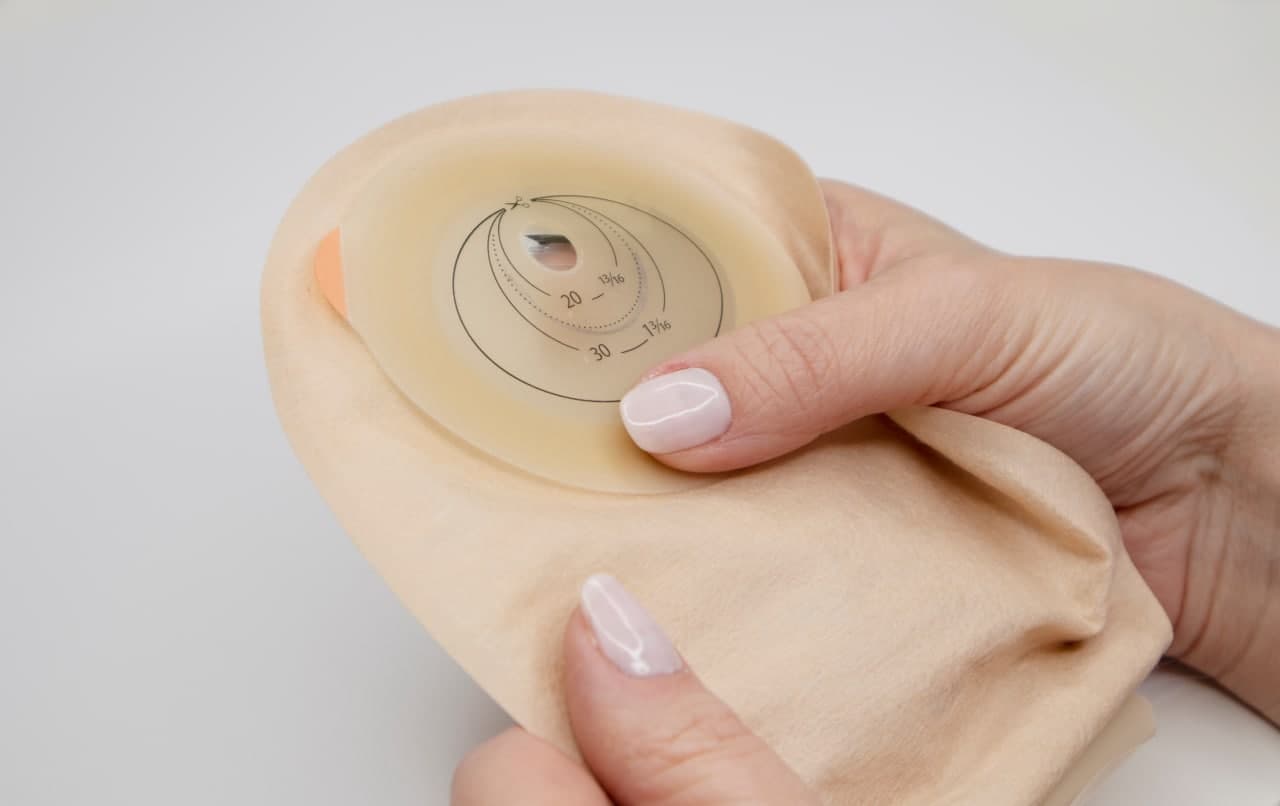
One of the issues that patients are usually concerned with after surgery is how to empty a colostomy bag. Of course, it may feel unfamiliar at first. In a little while, you will get used to the new conditions, and it won’t prevent you from enjoying an active life.
What Is a Colostomy Bag?
A colostomy bag is a plastic pouch used to collect fecal matter after a colostomy surgery. It is attached to the stoma — the opening created on the abdomen during the procedure. Why do you need it? The stoma has neither muscles nor nerve endings, which means it is impossible to control when your bowels move. A colostomy bag accumulates the fecal matter whenever necessary, keeping you comfortable and protected throughout the day.
Do you worry about how people live with a colostomy bag, or whether it is possible to travel with one? The good news is that one can live with a colostomy bag perfectly well.
PRO tip: There is no need to give up the habits you had before surgery. You just need some time to adjust to caring for your stoma bag.
How Does a Colostomy Bag Work?
A colostomy bag is a system made up of two main components that work together to provide a secure, comfortable seal:
- The flange — the part that adheres directly to the skin around the stoma.
- The pouch — the part that collects fecal matter as it passes through the stoma.
Depending on whether the pouch is a detachable part of the bag or not, colostomy bags fall into two main types:
- One-piece bag: The flange and pouch are permanently connected. With this type, it is generally better to replace the entire unit rather than empty it.
- Two-piece bag: The flange attaches to the skin and the pouch clips onto it separately. You can detach and replace the pouch as needed, while the flange can typically remain in place for two to three days.
Understanding how your bag works helps you make smarter decisions about care, product selection, and when to schedule a change.
Types of Colostomy Bags
Beyond the one-piece and two-piece distinction, colostomy bags are also classified by how they are emptied. Choosing the right type depends on your lifestyle, activity level, and personal preference.
Drainable Pouches
Drainable colostomy bags can be emptied and reused for several days. A special opening at the bottom of the pouch allows you to drain and clean it after each use, making them a practical and cost-effective option for many people.
Closed (Non-Drainable) Pouches
Closed or non-drainable bags are designed for single use. Once full, they are discarded and replaced with a fresh pouch. While they require more frequent changes, many people prefer them for hygiene or convenience.
All colostomy bags need to be changed regularly. Some people use both types depending on the circumstances. Drainable pouches are better for everyday use, and closed-end bags are for when a fresh change is the better option. Choose a trustworthy medical supplier, such as CanMedDirect, to find the right option out of a wide selection of ostomy products.

How to Empty a Colostomy Bag: All the Methods
If you have chosen a system with a drainable pouch, knowing how to empty a colostomy bag correctly is essential. There are four commonly used methods, each suited to different situations and environments. Familiarizing yourself with all of them means you will always be prepared, no matter where you are.
Method 1: Sitting Forward on the Toilet Seat
This is one of the most popular methods among people with a stoma and is often recommended for those emptying a colostomy bag for the first time. It offers a comfortable position with a low risk of splashing.
Follow these steps to empty your colostomy bag while sitting forward:
- Sit down on the toilet seat, ensuring as much space as possible between your legs.
- Place the bottom of the colostomy bag between your legs, directing it toward the toilet.
- Open the pouch to let the matter flow into the toilet.
- Rinse the bag, or use wet wipes or toilet paper to clean the opening before resealing.
With a little practice, this method can become a quick and comfortable part of your daily routine. If sitting forward doesn't feel right for you, there are other methods worth trying.
Method 2: Sitting Backward on the Toilet Seat
While less common, this position can be convenient if your toilet cistern is wide enough to rest supplies on. The procedure itself is the same as Method 1 — the only difference is that you sit facing away from the tank.
Method 3: Squatting in Front of the Toilet
Some patients prefer this method, especially in environments where sitting is not possible. When squatting, pay close attention to the height of the toilet and the position of your stoma. If the bag opening aligns well with the toilet bowl, the risk of splashing is reduced significantly.
Method 4: Standing Up
This method is more commonly used by men, though it may be the only practical option for anyone in a public restroom or cramped space. Follow these tips to minimize splashback:
- If wearing a T-shirt or shirt, pull it up before starting the procedure.
- Drop a piece of toilet paper into the water beforehand to reduce splashing.
- While releasing the pouch, direct it toward the inner wall of the toilet.
- If possible, lean forward to reduce the distance between the bag and the water.
- Open the bottom of the pouch and allow the contents to fall out, then rinse or wipe the opening clean.
As you can see, there are several ways to empty a colostomy bag. Some methods will feel more natural than others — but knowing all of them gives you flexibility in any situation.
PRO tip: If you have the opportunity, try all four methods at home before relying on them in public. This will help you find the most comfortable and practical position for your lifestyle.
How Often Should You Empty a Colostomy Bag?
It is recommended to empty your colostomy bag when it is one-third full. If that is not immediately possible, up to one-half full is acceptable — but do not let it go beyond that. Overfilling can lead to issues such as leakage, odour, and discomfort.
In general, most people empty their colostomy bag up to eight times per day. This frequency will vary based on your diet and how your body responds after surgery. If you plan to travel or spend extended time away from home, make sure you carry sufficient supplies for emptying or changing your ostomy bags.
Conclusion
Managing your colostomy bag does not have to be complicated. With the right products and a little practice, most people adapt quickly and return to their normal activities. Explore our ostomy products at CanMedDirect to find pouches, flanges, accessories, and skin care items designed to make ostomy life easier.
Colostomy bag FAQ
Common questions about emptying, changing, and living with a colostomy bag.
Yes. With practice, emptying a colostomy bag in a public restroom is entirely manageable. The standing method or sitting forward on the toilet seat are both practical in public facilities. Carrying a small kit with wet wipes and a disposal bag makes the process even easier.
Empty your colostomy bag when it is one-third full. You will typically notice some weight or slight pressure that signals it is time. Most people develop a natural routine within a few weeks of surgery.
A two-piece flange can generally remain on the skin for two to three days, provided the seal stays intact and there is no leakage or skin irritation. The pouch itself can be detached and replaced independently during this period.
Yes. With the right ostomy products, swimming, sports, and exercise are all possible. There are waterproof flanges and compact pouches designed specifically for active lifestyles. Visit CanMedDirect's ostomy product range to find supplies suited to an active routine.
Neither type is universally better — it depends on your lifestyle and preferences. Drainable bags are reusable and cost-effective. Closed bags offer convenience and are typically preferred when frequent changes are possible. Many people use both types in different situations.
CanMedDirect offers a wide selection of colostomy bags and ostomy supplies available for delivery across Canada, carrying leading brands at competitive prices.
