

Back to Top
Basic Urostomy Care: A Guide to Stoma & Pouch Management
October 14, 2026
Posted in
ostomy
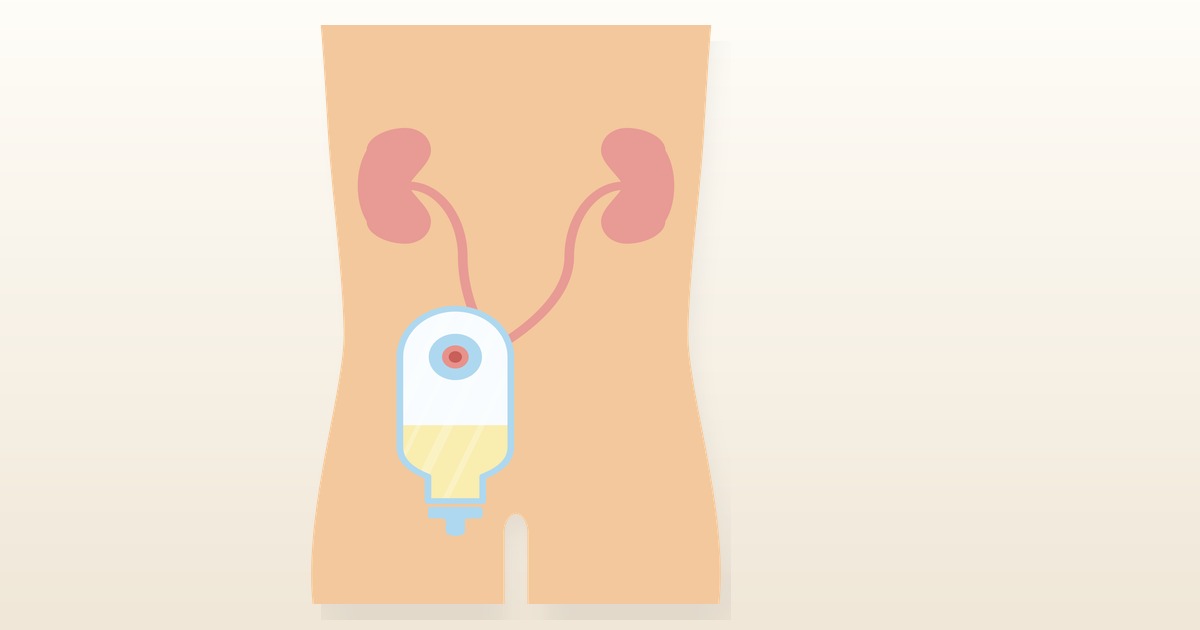
If you're new to living with a urostomy, or preparing for surgery, it's natural to have questions about what day-to-day care actually looks like. A urostomy (sometimes called an ileal conduit) diverts urine out of the body after the bladder has been removed or bypassed, and caring for it involves a few things that are different from a colostomy or ileostomy. This guide, based on the United Ostomy Associations of America (UOAA) New Ostomy Patient Guide, covers the basics of pouching, early recovery, and what to watch for as you settle into a routine.
This article is for general information only and isn't a substitute for advice from your surgeon, urologist, or ostomy nurse. Your own care plan should always come from your health care team.
What Is a Urostomy?
A urostomy is a surgically created opening that allows urine to drain from the body after the bladder has been removed or bypassed — a type of urinary diversion. The most common surgical construction is called an ileal conduit. Because there's no sphincter muscle at the stoma, there's no control over when urine passes, so an external pouching system is worn at all times to collect it.
Common reasons for a urostomy include bladder cancer, spinal cord injury, bladder malfunction, and spina bifida.
If you haven't yet had surgery, your surgeon and ostomy nurse will help determine the best location for your stoma — ideally somewhere on a smooth area of skin that you can easily see and reach to care for yourself.
Right After Surgery
In the hospital, your pouch will collect urine, which may be tinged with blood at first — this is normal, and the color should lighten and return closer to your usual urine color over time. You may also have stents (small temporary tubes) in your stoma, which your surgeon or ostomy nurse will remove, or which may fall out on their own.
While you're in the hospital, the care team will typically use a pouching system suited to monitoring your early recovery, including:
- A transparent or clear pouch, so your care team can easily observe your urine and the color of your stoma.
- A cut-to-fit or shape-to-fit skin barrier, which lets staff customize the opening and protect your skin from contact with urine.
- A one-piece or two-piece system — at this early stage, what matters most is a secure seal while you recover.
- A connection to a urinary drainage bag during your hospital stay, so nursing staff can accurately measure your output without disturbing you frequently.
Understanding Your Pouching System
A urostomy pouch has a couple of features that set it apart from pouches used for colostomies or ileostomies:
- A spout or tap at the bottom, rather than the open tail used on drainable colostomy/ileostomy pouches, which makes it easier to empty since output is liquid.
- Anti-reflux (no-flow back) valves, a built-in feature of most urostomy pouches. When you lie down or recline, these valves help prevent urine from flowing back up onto your stoma and skin barrier, which minimizes skin contact with urine.
Pouching systems also come in two styles. A two-piece system lets you mix and match a specific wafer with different pouches, and change the pouch without removing the skin barrier. A one-piece system combines the wafer and pouch into a single unit, which goes on and comes off as one piece — often easier for those with limited manual dexterity. Neither is objectively better; it comes down to personal preference and what works for your skin and routine.
Skin barriers (wafers) also come in flat or convex shapes. If your stoma is flat or sits below skin level, a convex wafer — or a barrier ring added to a flat wafer — can help improve stomal protrusion and get a more secure seal. For urostomies specifically, barrier rings are generally preferred over barrier paste, since rings tend to hold up better against urine.
Settling Into a Routine at Home
As you recover, keep a few things in mind:
- Be careful not to pull on your stents while changing your pouching system, and follow your physician's orders on activity, medications, diet, and follow-up care.
- A home care nurse may visit after discharge to help you continue learning stoma care; ostomy product manufacturers often offer additional support too, including help finding a pouching system and an in-network supplier.
- Your stoma size may change over the first six to eight weeks after surgery, so continue adjusting the size you cut or shape your skin barrier to, making sure all exposed skin is protected.
- You can choose a transparent or opaque pouch once you're home — opaque pouches disguise the contents if you prefer not to see them.
- An overnight drainage bag can be connected to your pouch at bedtime so you don't need to get up to empty it; clean it daily with a commercial cleaner or a 50:50 water and white vinegar solution.
- As ostomy accessories become helpful, barrier rings are typically the better choice for urostomies to improve the pouch seal to your skin.
There are generally very few dietary changes needed once you've recovered. Drinking plenty of water helps keep your kidneys functioning properly and helps prevent urinary tract infections. Beets may temporarily turn urine a reddish color, and asparagus, seafood, or certain supplements may cause a stronger odor — check with your doctor about any specific diet or fluid questions. Once you've recovered, your urostomy shouldn't limit where you work or travel; just pack more supplies than you think you'll need, since products may differ in other countries.
Follow-Up Care
Routine check-ups are a must after ostomy surgery. Your surgeon will want to see you again to follow your progress and confirm you're healing properly — if you still have stents in at your first visit, ask about when they'll be removed. Check in periodically with your ostomy nurse as part of your ongoing care, and let them know if you have any issues with your pouching system or skin.
When to Call Your Urologist
No matter what type of surgery you've had, it's always possible to run into a problem, ranging from mild to severe. Report anything unusual before it becomes more serious. Call your urologist if you notice any of the following:
- Signs of a urinary tract infection (dark, cloudy, or strong-smelling urine; back pain; nausea or vomiting; fever; loss of appetite)
- Skin irritation
- Recurrent leaks of your pouching system seal
- Excessive bleeding of your stoma
- Your stoma starting to get longer (prolapse)
- A warty discoloration of the skin around your stoma
- Urine crystals on or around your stoma
Shop Urostomy Supplies at CanMedDirect.ca
Whether you're looking for a new pouching system or a better seal, browse our full range of urostomy products.
Reminder: this article provides general information and is not a substitute for professional medical advice. Please consult your surgeon, urologist, or ostomy nurse to determine what's appropriate for your specific situation.
Basic Urostomy Care FAQ
Common questions about urostomy pouching and stoma care, based on the UOAA New Ostomy Patient Guide.
A urostomy diverts urine after the bladder has been removed or bypassed, most commonly through a construction called an ileal conduit. A colostomy and ileostomy divert stool instead. Because the output is different, urostomy pouches are built differently — with a spout for easy draining and built-in anti-reflux valves.
Some blood tinge is normal right after surgery. As you heal, the color should gradually lighten and become closer to your usual urine color. If bleeding seems excessive or doesn't improve, contact your urologist.
A urostomy pouch has a spout or tap at the bottom for easy emptying of liquid output, along with anti-reflux (no-flow back) valves that help stop urine from flowing back up onto your stoma and skin when you lie down or recline.
For urostomies, barrier rings are generally preferred over barrier paste, since rings tend to hold up better against urine over your wear time.
Very few dietary changes are typically needed. Drinking plenty of water helps your kidneys and helps prevent urinary tract infections. Beets may temporarily turn urine reddish, and asparagus, seafood, or certain supplements can cause a stronger odor — check with your doctor about any specific concerns.
Yes, it's common for stoma size to change over the first six to eight weeks after surgery. Continue adjusting the size you cut or shape your skin barrier to during this time so all exposed skin stays protected.
Call if you notice signs of a urinary tract infection, skin irritation, recurrent leaks, excessive stoma bleeding, your stoma getting longer (prolapse), warty discoloration around your stoma, or urine crystals on or around your stoma.
